
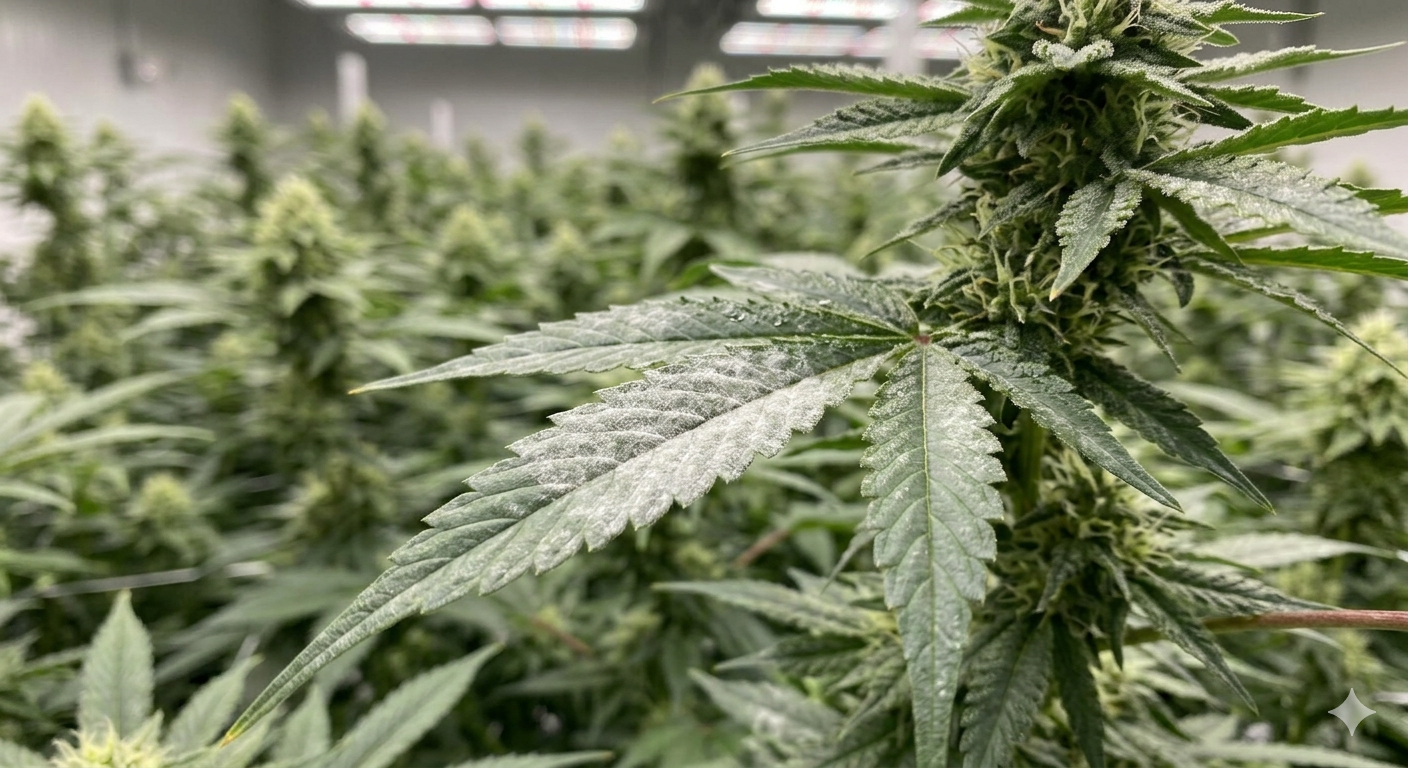
You have been flowering for weeks. The plants are in good shape. Then you see it: a light white dusting on a leaf, a patch of powder that wasn't there yesterday. You know what it is. And if it spreads, you know what that means.
Powdery mildew during the flowering stage is one of the most stressful problems for growers, especially when looking for powdery mildew treatment during flowering. It’s not just hard to treat, but most solutions come with risks like residue, downtime, or plant damage. Many treatments can also affect the taste, smell, and overall quality of your crop.
There is a better way to move forward if you're wondering how to get rid of powdery mildew fast. One that quickly stops powdery mildew, is safe to use during the flowering stage, and leaves no trace on your crop. This guide tells you exactly how and why The Amazing Doctor Zymes' Eliminator is made just for this problem.
Why Powdery Mildew Is Dangerous

Powdery mildew, which is caused by different types of fungi in the Erysiphales family, is a common threat in almost all growing environments. But the effect it has on the growth cycle changes a lot depending on when it happens.
You have time and choices during the vegetative stage. During flowering, both are hard to find.
How It Spreads
Powdery mildew spreads by spores that are in the air. One infected leaf can release thousands of spores that float through the air and land on things nearby. In a greenhouse or a small grow space, that spread happens quickly. In warm, humid conditions, you can sometimes see it moving from plant to plant in 48 to 72 hours.
What It Does to Your Crop
Powdery mildew doesn't just look bad if you don't treat it. It hurts your plants in a direct way:
- It covers the surfaces of leaves, which makes it harder for them to absorb light, which slows down photosynthesis and weakens the plant.
- It takes nutrients away from flower growth by competing with them.
- It weakens the structure of buds and flowers, making it easier for secondary infections like botrytis to get in.
- In the worst cases, it spreads from leaves to bud sites, making the harvest less valuable no matter what you do.
⚠The most important time is between weeks 3 and 6 of flowering. This is when mildew is at its worst and there aren't many ways to treat it. The difference between a clean harvest and a lost one is acting at the first sign of infection or even before it happens.
Why Common Treatments Fail
Most people who grow plants already know the best things to use, like potassium bicarbonate, neem oil, baking soda sprays, and hydrogen peroxide. And most growers have also learned, usually the hard way, why these choices can be a problem during the flowering stage.
Potassium Bicarbonate
Potassium bicarbonate raises the pH on the surfaces of leaves, which makes it hard for mildew to grow. It can work earlier in the growth cycle, but it can be dangerous during flowering. It can burn the tips of sensitive strains, and using it too often may change the terpene profile of flowers. It only gets rid of mildew on the surface; it doesn't do anything about spores that are already in the air around you.
Neem Oil
Neem oil kills fungi and bugs by suffocating them. The problem with flowering is what it leaves behind. Neem oil is an oil-based product that coats surfaces and doesn't evaporate well. This means that the residue on flower material changes the taste, smell, and look of the flower. Many growers who use neem oil late in the flowering stage say that it leaves a petroleum-like quality that doesn't get better after drying or curing. Most people aren't willing to make this trade-off.
Hydrogen Peroxide
When used in small amounts, hydrogen peroxide can kill mildew on surfaces by oxidizing the cells of the fungus. But it only works for a very short time; it breaks down within hours of being used, so it doesn't offer long-lasting protection. It also can't tell the difference between harmful fungal cells and helpful microbes in your root zone. Using the same soil over and over again kills the biology that your plants need.
The main problem is that all of these choices only deal with the symptom, which is the visible mildew, and not the system itself. They don't stop the cycle of reproduction. They don't stop new spores from settling down. And a lot of them leave something on your flowers that shouldn't be there.
How Eliminator Solves Mildew

The Amazing Doctor Zymes' Eliminator takes a completely different approach to powdery mildew. It doesn't coat, oxidize, or chemically change the environment. Instead, it uses a precise enzyme system that breaks down fungal cell walls and spore structures at the molecular level.
The Enzyme Mechanism
As soon as Eliminator comes into contact with a powdery mildew colony or airborne spore, the enzymes in the formula start to break down the fungal organism's cell membrane. This is not a toxin; the mildew can't get used to it. The structure is taken apart physically. No more growth. Reproduction stops. The colony falls apart.
Why It's Safe During Flowering
This is where Eliminator stands out from all other oil-based or chemical options:
- The formula is made with water and doesn't have any oils, soaps, or man-made chemicals in it.
- After application, it works as an organic mildew spray no residue, completely evaporating from leaves, buds, or flowers.
- There is no time to wait before going back in; the area where plants are growing is safe to enter right after treatment.
- There is no harvest buffer period; you can use Eliminator right up until the day of harvest without affecting the quality of the product.
- It is OMRI listed and can be used in certified organic businesses.
If you're a grower and you have powdery mildew in weeks four, five, or six of flowering, when other options become very risky, Eliminator is the treatment that doesn't make you choose between fixing the problem and keeping the harvest safe.
Powdery Mildew Treatment SOP
Follow these steps if you see powdery mildew or if the weather is right for it to grow during flowering.
At First Sign of Infection — Immediate Response
- Mix ratio: The mix ratio is 20 to 30 ml of Eliminator concentrate for every liter of clean water. For an active infection, use the higher end of this range.
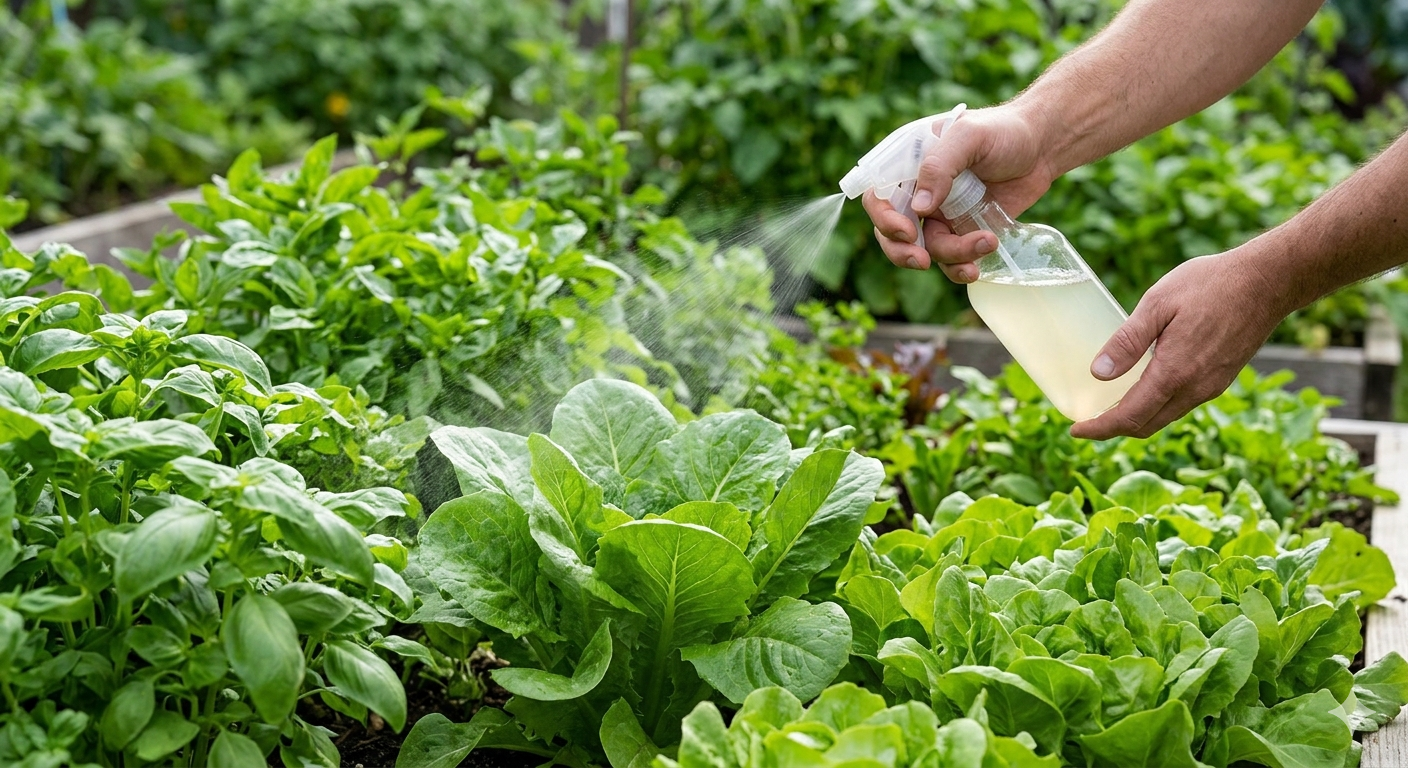
- Use: Spray a fine mist over all the affected leaves, both the top and bottom. Even if the plants around them look clean, you should still treat them because spores are already in the air.
- Bud sites: You can safely put Eliminator right on bud sites. To avoid saturation, apply lightly. The goal is to cover, not soak.
- When to use: Use when the lights are off inside or early in the morning or late at night outside. This lowers the rate of evaporation and increases the amount of time the two things are in contact.
- How often: Treat every three days until you don't see any new mildew growth. Once the problem is fixed, switch to a weekly schedule for prevention.
Environmental Management Alongside Treatment
Eliminator takes care of the infection. Changes in the environment lower the pressure that let it grow:
- Lower the relative humidity to less than 50%—mildew grows well above this level.
- Better air flow, especially around the lower and inner canopy where humidity pockets form
- Where possible, make the space between plants bigger to cut down on contact between leaves.
- Get rid of leaves that are heavily infected right away; don't compost them because the spores will stay alive.
Ongoing Prevention Through Late Flowering
- How often: After the mildew is gone, use Eliminator at the normal dilution (15ml per liter) once a week until harvest.
- Air biosecurity: Keep treating the whole area, not just the plants. Reinfection comes from spores in the air. If you apply it every week, new spore settlements can't grow.
- Soil health: To keep the soil biology healthy and stop any secondary infections that can happen at the root level when a plant is already stressed, use Eliminator as a root drench (15ml per liter) once every 7–10 days.

Frequently Asked Questions
Can I use Eliminator on buds directly without affecting quality?
Yes. The enzyme formula in Eliminator is water-based and dries up completely after use. It doesn't leave any chemical, coating, or residue on flower material. This makes it perfect for use during flowering, even directly on bud sites, without changing the taste, smell, or look of the plant.
How quickly does Eliminator work on active powdery mildew?
Most growers say they see a difference within 24 to 48 hours of the first application. When the enzyme system comes into contact with the fungal colony, it starts to break it down. For more serious infections, you should see a big difference in the first week if you treat every three days. Consistency is important. Keep up the treatment schedule even after the mildew seems to be gone to make sure that any spores that are still there are dealt with.
Is Eliminator safe to use in the final week before harvest?
Yes. Eliminator doesn't leave any residue on plant tissue or flower surfaces because it completely evaporates. This means that it doesn't need a harvest buffer. If you see mildew, you can use it on the last day before harvest. This is one of the most useful benefits it has over oil-based treatments, which should be stopped weeks before harvest to keep contamination to a minimum.
Can powdery mildew come back after treatment?
If the conditions that let powdery mildew grow stay the same, it can come back. Treatment gets rid of the infection that is already there, but if the humidity stays high and the airflow is bad, new spores can settle and cause reinfection. This is why using Eliminator every week as a preventive measure, along with controlling humidity and airflow, works better in the long run than just treating the problem after it happens.
Protect Your Harvest from Mildew
Powdery mildew during flowering is a real danger, but it doesn't have to mean that the crop is ruined. The right treatment works quickly, safely, and doesn't leave anything behind that shouldn't be there.
Eliminator's enzyme system was made just for this situation and can also support spider mite treatment plants effectively: it can control mildew at any stage of flowering without leaving any residue, waiting for re-entry, or putting your harvest at risk.

Leave a comment
This site is protected by hCaptcha and the hCaptcha Privacy Policy and Terms of Service apply.