
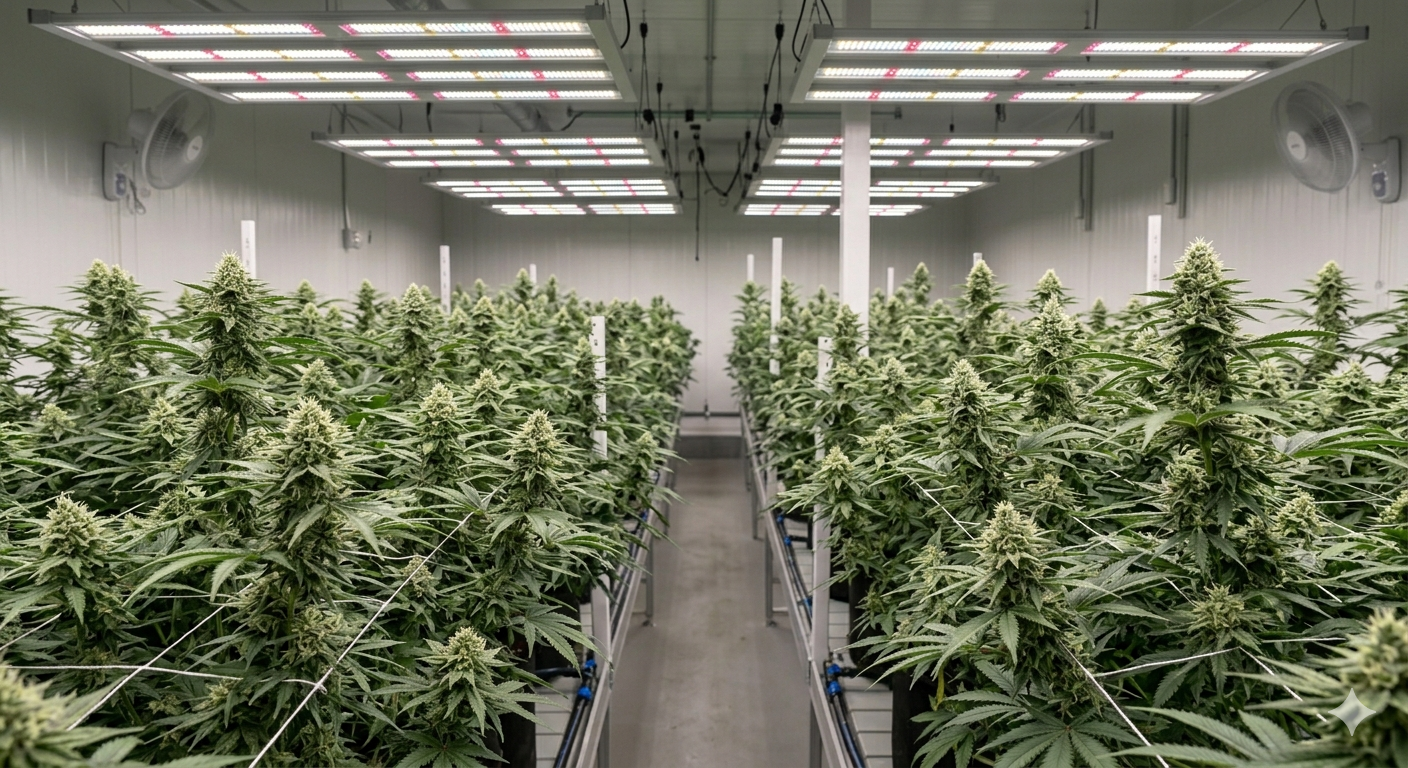
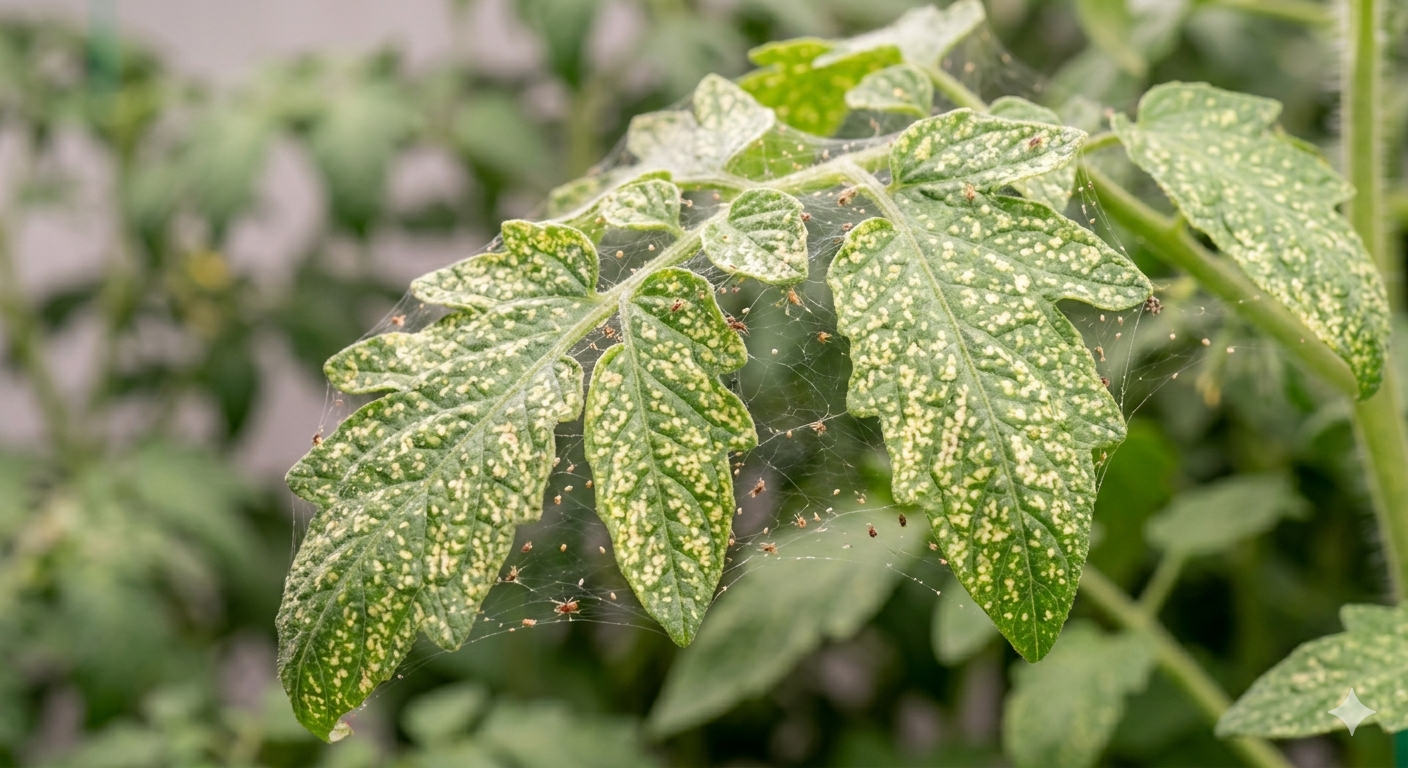
Spider mite treatment on plants is necessary because you can see a bug and the first signs of mildew on a leaf. But spores in the air? You can't see them. They are already in your grow room, floating through the air and landing on leaves, waiting for the right conditions to settle in.
The first signs of powdery mildew aren’t visible on leaves. Spores land on surfaces, find warm, humid spots, and start growing. By the time you see white dusting, thousands of spores have already spread across your canopy.
Cannabis grow room disease prevention is about controlling airborne spores before fungal outbreaks start. This guide explains how spores spread in closed grow spaces and how Eliminator by The Amazing Doctor Zymes protects the air layer that most growers ignore.
Airborne Spores in Grow Spaces
Airborne spores grow room treatment move through closed grow spaces without making a sound. They circulate in the air and land on plants without anyone noticing. If you don't treat the spores in the air properly, they will keep spreading and causing infections before you can see them.
What Airborne Spores Actually Are
Mold spore prevention indoor grow targets fungal spores, which are tiny reproductive units like seeds for mold, mildew, and other pathogens. Established fungal colonies make them in huge amounts and release them into the air around them to spread. One colony of powdery mildew on one infected leaf can release hundreds of thousands of spores into the air in just one day.
These spores are light enough to stay in the air for a long time. They spread out over a large area of air when they are outside. They can't go anywhere in a closed grow room. They move around, build up, and land on every surface in the room over and over again, even on the plants you're trying to protect.
Why Grow Rooms Are Especially Vulnerable

Grow room air sanitation organic makes it easier for spores to move around and settle in:
- Instead of letting spores out into the outside air, recirculating air systems move them around the room all the time.
- Warm temperatures speed up the process of spores germinating once they land on a surface that is right for them.
- When the humidity is over 50%, the speed at which germinated spores form active colonies goes up a lot.
- Dense plant canopies make pockets of stagnant, humid air in the lower and inner growth, which is exactly where spores settle and find the right conditions to grow.
- An infected plant can spread spores to every other plant in the room long before any of them show signs of infection.
⚠ Critical reality:When you can see powdery mildew, botrytis, or black mold on your plants, spores from that colony have already been settling on nearby plants for days or weeks. Surface treatment alone won't get rid of what's already in the air.
The Three Fungal Threats You Need to Know
Three pathogens are to blame for most of the serious airborne fungal losses that happen in closed grow spaces:
- Powdery Mildew (Erysiphales spp.): Spreads mostly through spores that are in the air. It looks like a white powdery coating on the leaves, but its spores are in the air and settling down long before any signs of it show up on the surface. It does best when the temperature is between 21 and 27 degrees Celsius and the humidity is over 50%.
- Botrytis / Grey Mold (Botrytis cinerea): One of the most harmful fungi that can affect flowering plants. Botrytis prevention indoor plants is essential because botrytis spores are everywhere and take advantage of any chance they get. They quickly become active when the humidity rises above 60%, especially in dense bud structures that hold moisture. A botrytis event that happens late in the growing season can ruin an entire harvest in less than a week.
- Black Mold and Sooty Mold: These types of mold spread through spores in the air in areas with poor ventilation and block light from reaching the affected leaf surfaces. It often shows up with pest infestations, but it can also grow on its own in humid conditions.

Limits of Surface Treatments
Most growers don't fully deal with this issue until they have a fungal problem that keeps coming back no matter how well they treat it.
Spraying leaves where mildew or mold is already present is necessary to treat visible symptoms, but it only fixes the part of the problem that has already happened. The source of that infection, and the next one, is still in the air.
The Reinfestation Cycle Explained
A grower usually sees powdery mildew on a few plants. They use a foliar spray to treat the areas that are affected. The mold that can be seen goes away. It comes back two to three weeks later, sometimes in the same places and sometimes further away. The treatment worked. So why is the issue back?
The surface treatment didn't get rid of the spores that were still in the air in the grow room. During the recovery period, those spores kept landing on both treated and untreated plants, creating new places for seeds to sprout. When the weather got better, a little more humidity and a warmer night, those spores that had settled down started to grow again, and the cycle began again.
What Air Biosecurity Actually Means
Real air biosecurity means stopping spores from growing before they can, not just treating what's already there. To stop spores from growing, they need to land on a surface where they can't grow. This means that the treatment needs to work at the air-to-surface interface.
This is the space that the Air layer of Eliminator's Eco-Biosecurity system is meant to fill. It's also the layer that makes most grow rooms weak, even when surface treatments are being used all the time.
Eliminator’s Air Biosecurity
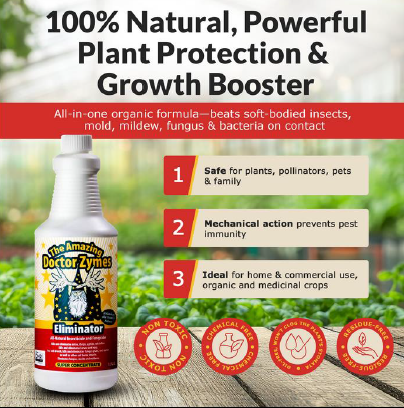
The Amazing Doctor Zymes' Eliminator is based on a three-layer Eco-Biosecurity framework that includes air, surface, and soil. The air layer is where it goes after the airborne spores that regular surface treatments can't get to.
Enzyme Action on Spore Structures
The enzyme-based air purifier plants formula in Eliminator specifically targets the cell wall structure of fungal spores. When Eliminator is sprayed on plants as a fine mist, it makes the surface of the plants a treated environment where newly settled spores meet the enzyme system and have their cellular structure broken down before they can germinate.
This is very different from fungicides that kill existing colonies. Eliminator stops spores from landing before they can form any colony structure. The infection cycle is stopped at its most early and weak point.
Canopy as a Spore Barrier
The practical use is simple: by spraying all of the plants in the grow space with Eliminator foliar spray once a week, every leaf surface becomes a treated area. When spores in the air land on those surfaces, which they will do no matter what kind of filtration system is in place, they come into contact with the enzyme system right away.
Over time, the grow room itself becomes a bad place for spores to settle down. You stop looking for infections after they happen and start stopping the things that make them possible.
Why Eliminator Is Suited for Ongoing Weekly Use
Not every treatment is right for the level of air biosecurity that is needed. Eliminator was made for this job:
- No residue: completely evaporates after each use, so there is no buildup on the surface even after using it every week.
- No phytotoxicity: safe to use at all stages of growth, even during the entire flowering period, without worrying about hurting the plants
- No re-entry interval: The grow space is safe to enter right after treatment, so weekly treatment is a normal part of life instead of a hassle.
- No development of resistance: spore populations can't adapt to enzyme-based disruption like they can to chemical fungicides.
- OMRI certified, which means it meets all the standards for certified organic production.
✔You can use Eliminator once a week from the first week of vegetative growth until the day before harvest. That consistency is what makes air biosecurity work, and Eliminator is made to be used that way for a long time.
Air Biosecurity Protocol
Baseline Setup
- The mix ratio is 20ml of Eliminator concentrate for every liter of clean, pH-neutral water.
- Coverage: Use a fine-mist foliar spray on all parts of the plant, including the tops and bottoms of all the leaves, stems, and nodes. The goal is to cover the whole canopy, not just certain spots.
- Surfaces in the environment: If you're growing after having a fungal problem before, lightly mist the walls, trellis systems, and support structures in the grow room where spores from the last cycle may have settled and still be alive.
- Timing: Use at the beginning of the lights-off period to give the product the most time to come into contact with plant surfaces before the space warms up. For greenhouse or outdoor plants, use in the early evening.
Weekly Prevention
- For maintenance applications, the mix ratio is 15ml per liter.
- How often: Every week from the first week of vegetative growth until the last week before harvest.
- If the humidity in the grow room stays above 60% for more than 48 hours, any visible fungal growth appears on any plant, or if plants coming in from outside show any signs of mold or mildew, increase the frequency to every 3–4 days.
Active Outbreak Response
- Mix ratio: 25–30ml per liter for treating active fungal growth and spore pressure at the same time.
- How often: Every three days for the first two weeks, then once a week after that.
- First, take off the infected material: Before spraying, carefully take off and seal leaves that are heavily infected. Don't shake infected tissue while you're taking it out. When you do, the mildew colonies release a lot of spores right into the air.
- Controlling humidity: Get the relative humidity below 50% as soon as possible. If conditions stay good for spore germination, treatment will be much less effective.

Frequently Asked Questions
Can airborne spores survive a full grow room reset between cycles?
Yes. Fungal spores are very tough and can live on walls, floors, equipment, and trellis systems for weeks or even months. Cleaning out completely between cycles gets rid of a lot of surface contamination, but it almost never gets rid of it all. Instead of assuming the room is clean because it's been wiped down, starting each new cycle with Eliminator applications from week one takes care of the spore environment that stays the same between grows.
How does Eliminator work alongside HEPA filters and air purification systems?
Air purifiers and HEPA filters lower the number of spores that are actively moving around in the air in the grow room. They catch spores before they land. Eliminator stops spores from growing on plant surfaces. These two methods work best together because they focus on different parts of the spore lifecycle. The best way to protect plants from spores is to use good environmental controls like filtration, humidity control, and airflow, along with regular applications of Eliminator to get rid of spores that filtration alone can't stop.
Is Eliminator safe to apply during late flowering when crops are close to harvest?
Yes. Eliminator doesn't leave any residue on flower surfaces or in plant tissue because it is water-based and completely evaporates. You can use it all the way up to harvest day without affecting the quality, smell, or safety of the product. This is especially important for managing late-flowering spores, when the risk of botrytis and mildew is highest and most other treatment options need a buffer period before harvest.
What humidity level prevents most airborne spores from germinating?
Most fungal spores that could harm crops in a grow room, such as powdery mildew and botrytis, need relative humidity above 50% to germinate well when they come into contact with the surface. Keeping the humidity in the grow room between 40 and 50% greatly lowers the rate at which settled spores germinate. During late flowering, when dense bud structures create localized high-humidity pockets, aiming for 45% or less in ambient conditions gives you extra protection on top of Eliminator's weekly treatment plan.
The Spores Are Already There
There are spores in the air in every grow room. The difference between a clean, productive cycle and a crop that dies from a fungal disease is whether or not the spores can settle on a surface.
The enzyme system in Eliminator makes that safe surface area. If you use it on a regular weekly basis, it will turn your whole canopy into a landing zone where settled spores are killed before they can spread and become the next outbreak you have to deal with.
That's how air biosecurity works in real life, and it all starts with one bottle.

Leave a comment
This site is protected by hCaptcha and the hCaptcha Privacy Policy and Terms of Service apply.